
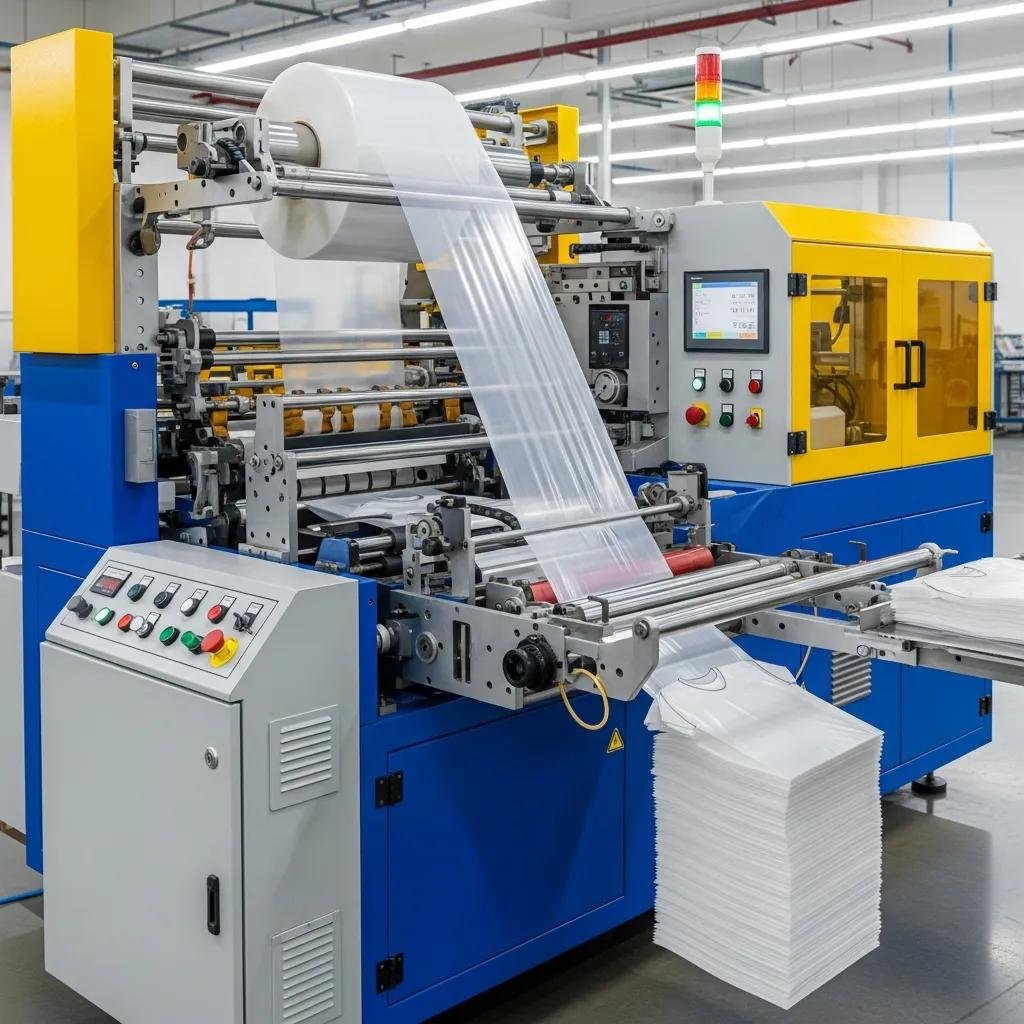
Elección y procesos de máquinas Máquina para hacer bolsas de plástico
Plastic bag making machines are essential in the packaging industry, providing efficient solutions for producing various types of bags. This comprehensive guide will explore the different types of plastic bag making machines, their operational processes, and key features to consider when selecting the right machine for your needs. Understanding these machines is crucial for manufacturers aiming to optimize production efficiency and meet market demands. As the industry evolves, knowing the latest technologies and practices can significantly impact your business’s success. This article will cover the main types of machines, the manufacturing process, essential components, selection criteria, maintenance best practices, and sustainability trends in plastic bag manufacturing.
What Are the Main Types of Plastic Bag Making Machines?
Plastic bag making machines can be categorized into several types, each designed for specific applications and bag styles. Understanding these types is crucial for manufacturers to select the right machine for their production needs.
How Do T-shirt Bag Making Machines Operate and What Are Their Applications?
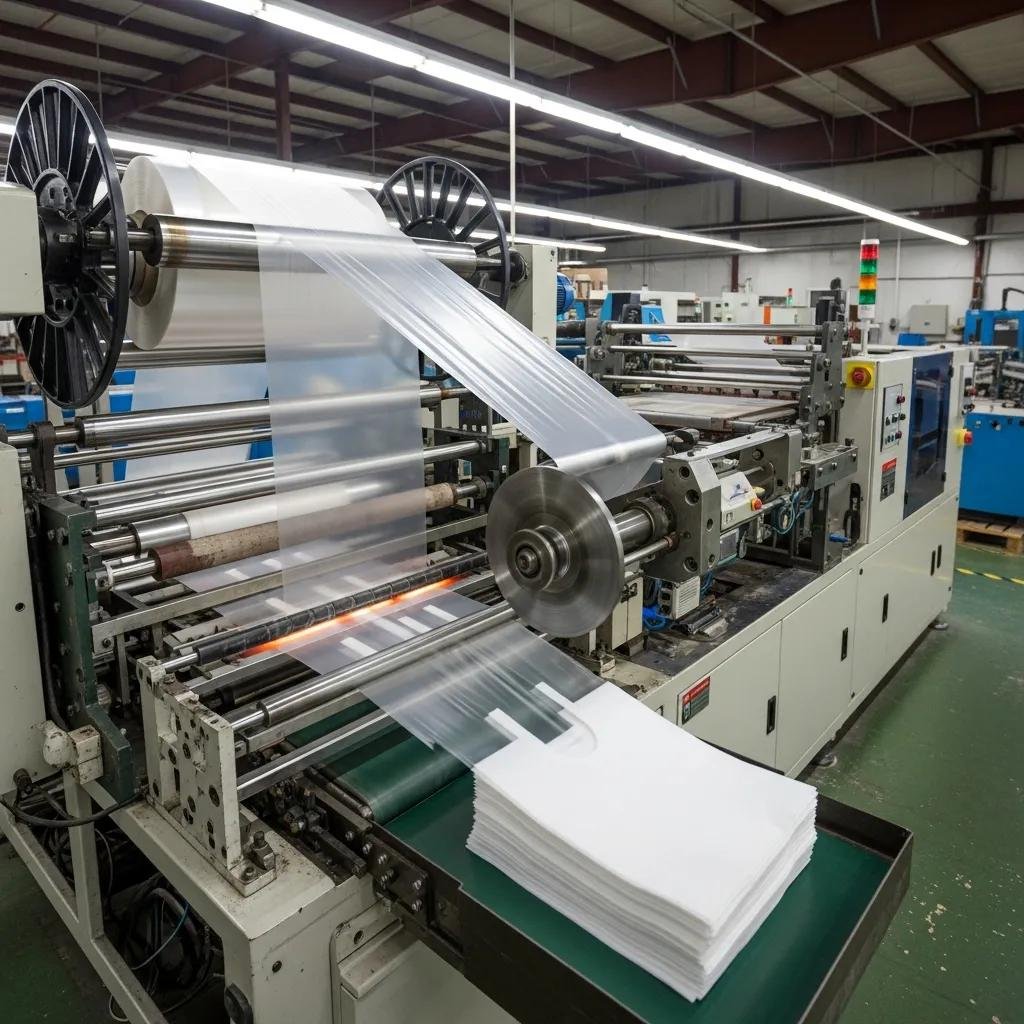
T-shirt bag making machines are designed to produce T-shirt style bags, commonly used in retail and grocery stores. These machines operate by feeding plastic film into the machine, where it is folded, sealed, and cut into the desired bag shape. The operational process typically involves the following steps:
- Film Feeding: The plastic film is unwound from a roll and fed into the machine.
- Sealing: The machine uses heat sealing technology to create the handles and bottom seal of the bag.
- Cutting: Once the bags are formed, they are cut to the specified length.
T-shirt bags are popular due to their ease of use and versatility, making them suitable for various applications, including retail, food service, and promotional events.
What Are the Features of Bottom Seal and Side Seal Bag Making Machines?
Bottom seal and side seal bag making machines are designed for producing different bag styles, each with unique features.
| Machine Type | Key Features | Production Speed | Material Compatibility |
|---|---|---|---|
| Bottom Seal Machines | Strong bottom seal, ideal for heavy items | Moderate to High | Polyethylene, Polypropylene |
| Side Seal Machines | Versatile sealing options, suitable for various bag sizes | Moderate | Polyethylene, Biodegradable materials |
How Is the Plastic Bag Manufacturing Process Structured?
The plastic bag manufacturing process involves several key steps that ensure the production of high-quality bags. Understanding this process is essential for manufacturers to optimize their operations.
What Are the Key Steps in Film Extrusion and Printing?
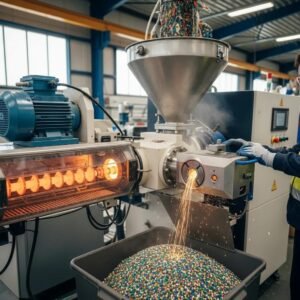
Film extrusion is the first step in the plastic bag manufacturing process, where raw plastic materials are melted and formed into a continuous film. The key steps include:
- Extrusion: Plastic pellets are heated and extruded through a die to form a thin film.
- Cooling: The extruded film is cooled and wound onto rolls for further processing.
- Printing: If required, the film can be printed with designs or logos using flexographic or gravure printing techniques.
This process is crucial for ensuring that the bags meet quality standards and customer specifications.
How Do Sealing and Cutting Technologies Work in Bag Production?
Sealing and cutting technologies are vital in the bag production process, ensuring that bags are properly formed and sealed. The main technologies used include:
- Heat Sealing: Utilizes heat to bond the edges of the plastic film, creating a strong seal.
- Cold Sealing: Uses adhesive to seal the bags without heat, suitable for sensitive materials.
- Die Cutting: Provides precise cutting of bags, reducing waste and improving efficiency.
These technologies significantly impact production efficiency and the quality of the final product.
What Are the Essential Components and Functionalities of Bag Making Machines?
Understanding the essential components and functionalities of bag making machines is crucial for manufacturers to ensure optimal performance and efficiency.
Which Sealing and Cutting Mechanisms Are Used in Plastic Bag Machines?
Plastic bag machines utilize various sealing and cutting mechanisms to produce different bag styles. Common mechanisms include:
- Heat Sealers: Create strong seals using heat, ideal for most plastic materials.
- Ultrasonic Sealers: Use high-frequency sound waves to seal bags, providing a clean and efficient seal.
- Rotary Cutters: Allow for continuous cutting of bags, improving production speed.
Further research delves into the intricacies of these sealing processes, particularly thermal and ultrasonic methods, to optimize industrial bag making.
Thermal & Ultrasonic Sealing in Industrial Bag Making
1. This thesis aims to understand the sealing processes of thermoplastics to produce high-barrier flexible packaging, specifically focusing on the last production steps, where the laminate is folded and sealed to produce bags ready to be filled. After a brief description of all the different types of commercially available materials, the most used laminates, and the characterization of one bag-making machine used in Goglio S.p.A., the thermal sealing and ultrasonic welding are described and deeply analyzed to understand what parameters affect them.
Analysis of thermal sealing of polymer-based laminates for the industrial bag-making process improvements, 2022
These mechanisms play a critical role in determining the quality and durability of the bags produced.
How Does Automation Enhance Plastic Bag Production Efficiency?
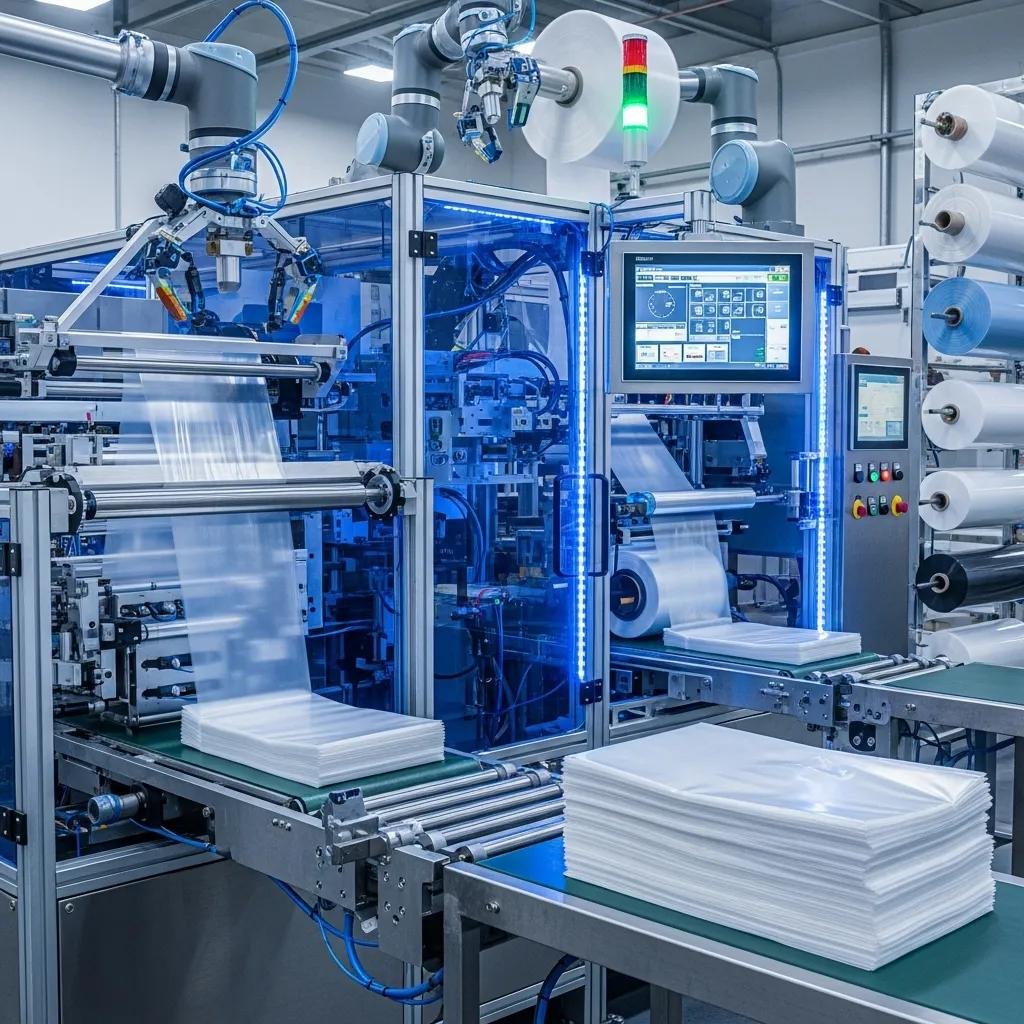
Automation in plastic bag production has revolutionized the industry by enhancing efficiency and reducing labor costs. Key benefits of automation include:
- Increased Production Speed: Automated machines can operate continuously, significantly increasing output.
- Consistent Quality: Automation ensures uniformity in bag production, reducing defects.
- Reduced Labor Costs: Fewer operators are needed, allowing manufacturers to allocate resources more effectively.
In a highly competitive market, continuous improvement in productivity and quality, often through strategies like automation, is paramount for manufacturers to achieve success.
Boosting Plastic Bag Manufacturing Productivity & Quality
1. In the fiercely competitive market, productivity improvement always plays a key strategic role in determining bottom-line success for an industry. Being a plastic bag manufacturer, which is widely used as packaging material for apparel industry, the manufacturer belongs to a group of backward linkage industry, which is highly competitive. As such, the company has to focus heavily on three strategic issues: reduction in overall cost, improvement in quality with right assurance scheme, and improvement in productivity with right tools and techniques.
Productivity improvement in plastic bag manufacturing through lean manufacturing concepts: A case study, T Yesmin, 2012
As the industry continues to evolve, automation will play an increasingly important role in maintaining competitiveness.
How to Choose the Right Plastic Bag Making Machine for Your Needs?
Selecting the right plastic bag making machine is crucial for manufacturers to meet production demands and maintain efficiency. Several factors should be considered during the selection process.
What Factors Influence Machine Selection: Material, Speed, and Automation?
When choosing a plastic bag making machine, manufacturers should consider the following factors:
- Material Compatibility: Ensure the machine can handle the specific types of plastic materials required for production.
- Production Speed: Assess the machine’s output capacity to meet production demands.
- Level of Automation: Determine the desired level of automation based on labor availability and production goals.
These factors will help manufacturers select a machine that aligns with their operational needs and production goals.
How to Evaluate Cost and Return on Investment for Plastic Bag Machines?
Evaluating the cost and return on investment (ROI) for plastic bag machines is essential for making informed purchasing decisions. Key considerations include:
- Initial Cost: Assess the purchase price of the machine and any additional setup costs.
- Operating Costs: Consider ongoing expenses such as maintenance, labor, and material costs.
- Expected ROI: Calculate the potential revenue generated from increased production efficiency and reduced labor costs.
By carefully evaluating these factors, manufacturers can make informed decisions that align with their financial goals.
What Are the Best Practices for Maintenance and Troubleshooting of Bag Making Machines?
Proper maintenance and troubleshooting practices are essential for ensuring the longevity and efficiency of plastic bag making machines.
Which Preventive Maintenance Steps Ensure Machine Longevity?
Implementing preventive maintenance practices can significantly extend the lifespan of bag making machines. Key steps include:
- Regular Inspections: Conduct routine checks on machine components to identify wear and tear.
- Lubrication: Ensure moving parts are adequately lubricated to reduce friction and wear.
- Cleaning: Keep the machine clean to prevent dust and debris from affecting performance.
These practices help maintain optimal machine performance and reduce the risk of unexpected breakdowns.
How to Identify and Resolve Common Operational Issues?
Identifying and resolving common operational issues is crucial for maintaining production efficiency. Common issues include:
- Misalignment: Check for proper alignment of film and sealing mechanisms to prevent jams.
- Inconsistent Seals: Adjust temperature settings on heat sealers to ensure consistent sealing quality.
- Material Jams: Regularly inspect and clean feed mechanisms to prevent material blockages.
By addressing these issues promptly, manufacturers can minimize downtime and maintain production efficiency.
What Are the Sustainability Trends and Future Innovations in Plastic Bag Manufacturing?
Sustainability is becoming increasingly important in the plastic bag manufacturing industry, with trends and innovations aimed at reducing environmental impact.
How Are Eco-friendly Materials and Recycling Integrated into Production?
The integration of eco-friendly materials and recycling processes is a key trend in plastic bag manufacturing. Manufacturers are increasingly using:
- Biodegradable Plastics: Materials that break down more easily in the environment under specific conditions, reducing waste.
- Recycled Plastics: Utilizing recycled materials in production to minimize the use of virgin plastics.
These practices not only help reduce environmental impact but also meet consumer demand for sustainable products.
What Advances in Automation and Smart Technologies Are Shaping the Industry?
Advancements in automation and smart technologies are transforming the plastic bag manufacturing landscape. Key innovations include:
- IoT Integration: Smart machines equipped with IoT technology can monitor performance and provide real-time data for optimization.
- AI-driven Analytics: Utilizing artificial intelligence to analyze production data and improve efficiency.
These innovations are paving the way for a more efficient and sustainable future in plastic bag manufacturing.
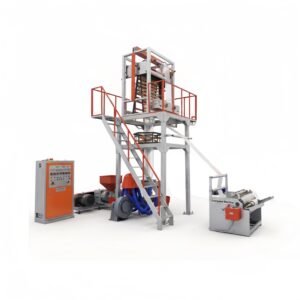
Extrusor de Film: Mejora del Enfriamiento en la Ciudad de El Alto Bolivia
**Extrusor de Film:
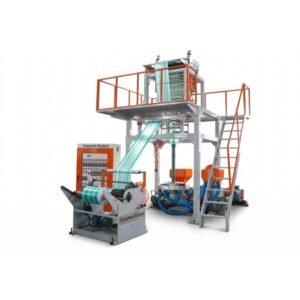
Soluciones Innovadoras para la Producción de Bolsas de Plástico
¡Hola! Soy un profes