
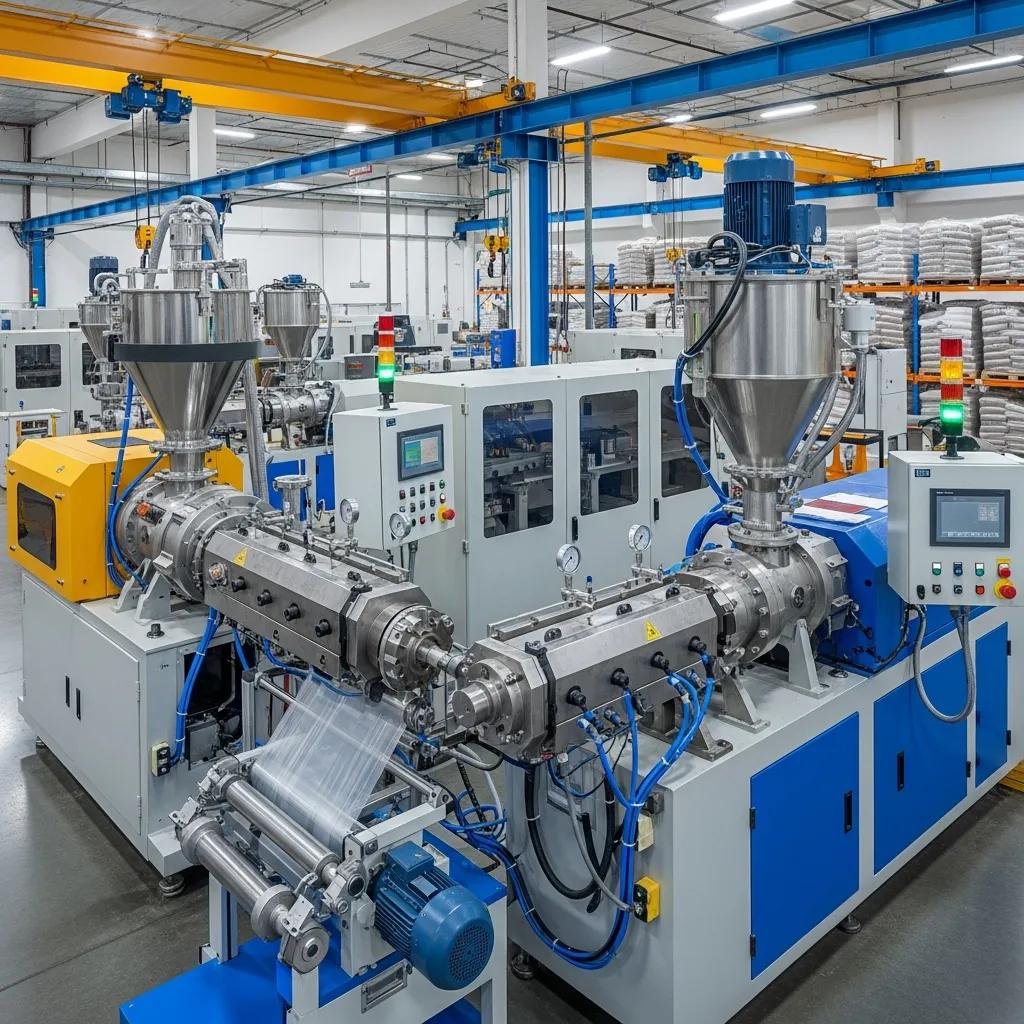
Extrusora monocapa vs multicapa Máquina para hacer bolsas de plástico
In the world of plastic film production, the choice between monolayer and multilayer extruders can significantly impact the quality and cost-effectiveness of the final product. This comprehensive guide will delve into the characteristics, benefits, and applications of both types of extruders, helping you make an informed decision for your production needs. Understanding the differences between a monolayer extruder and a multilayer extruder is crucial for optimizing production efficiency and product quality. Many manufacturers face challenges in selecting the right extruder that meets their specific requirements. This article will explore the mechanics, advantages, and applications of each extruder type, as well as the latest industry trends and decision-making tools to aid in your selection process.
What Is a Monolayer Extruder and What Are Its Key Benefits?
A monolayer extruder is a type of machine used in the production of plastic films, characterized by its single-layer output. This design simplifies the extrusion process, making it a popular choice for various applications. The primary benefits of monolayer extruders include cost-effectiveness, operational simplicity, and suitability for a wide range of materials. These extruders are particularly advantageous for manufacturers looking to produce standard plastic films without the complexities associated with multilayer systems.
How Does a Monolayer Extruder Work in Plastic Film Production?
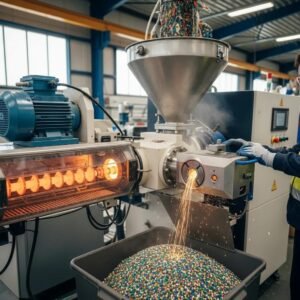
Monolayer extruders operate by melting plastic pellets and forcing the molten material through a die to form a continuous film. The process involves several key components, including the hopper, barrel, screw, and die. The screw plays a crucial role in mixing and conveying the material, ensuring uniform melting and consistent film thickness. The output characteristics of monolayer films typically include good clarity and strength, making them suitable for various packaging applications.
What Are the Cost-Effectiveness and Simplicity Advantages of Monolayer Extruders?
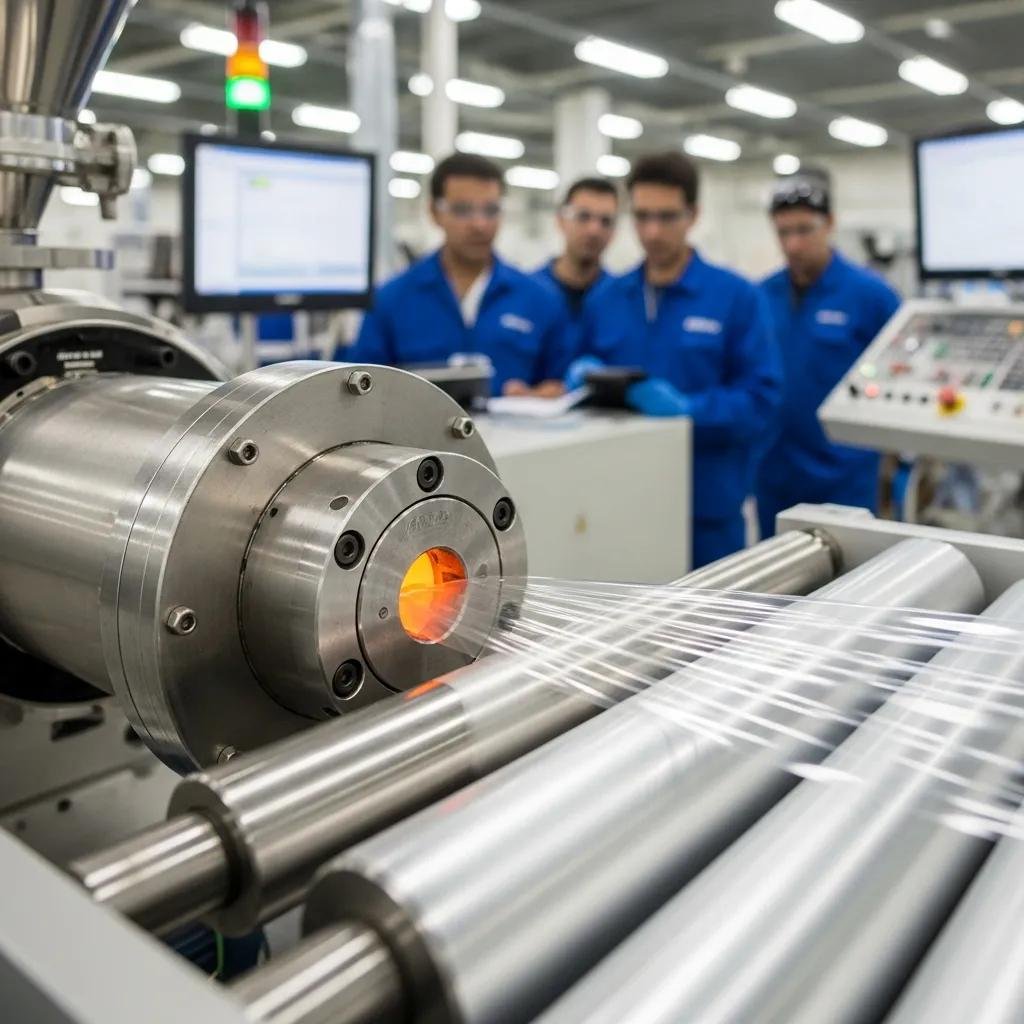
Monolayer extruders are often more cost-effective than their multilayer counterparts due to lower initial investment and operational costs. The simplicity of the design reduces maintenance requirements and operational complexity, allowing manufacturers to achieve higher efficiency. For instance, the initial investment for a monolayer extruder can be significantly lower, making it an attractive option for small to medium-sized businesses. Additionally, the straightforward operation of these machines enables quicker training for operators, further enhancing productivity.
What Defines a Multilayer Extruder and What Advantages Does It Offer?
A multilayer extruder is designed to produce films with multiple layers, allowing for enhanced functionality and performance. This type of extruder utilizes co-extrusion technology, which enables the simultaneous processing of different materials to create films with specific properties. The advantages of multilayer extruders include improved barrier properties, mechanical strength, and the ability to incorporate recycled materials into the production process.
How Does Co-Extrusion Technology Enhance Multilayer Film Functionality?
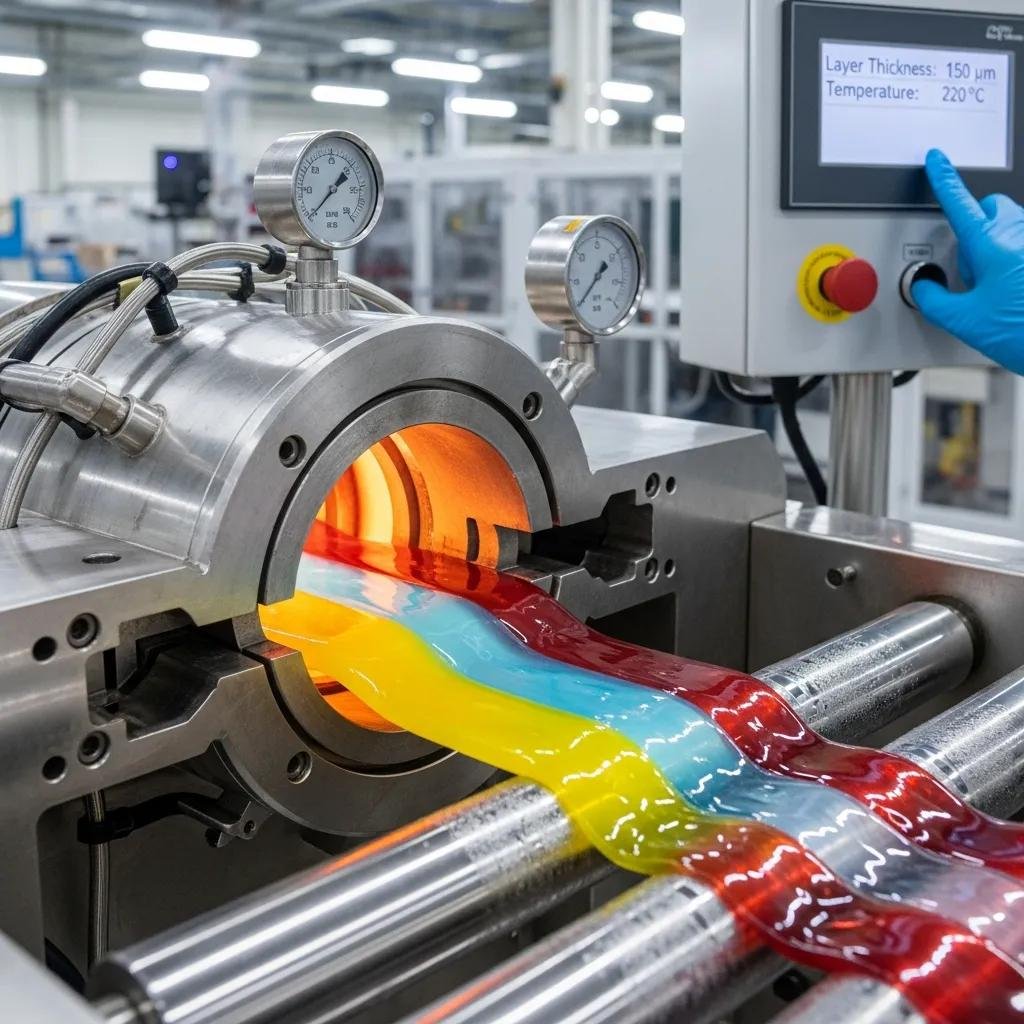
Co-extrusion technology enhances multilayer film functionality by allowing the combination of various polymers, each contributing unique properties to the final product. For example, one layer may provide excellent moisture barrier properties, while another layer offers strength and durability. This technology enables manufacturers to tailor films for specific applications, such as food packaging, where barrier properties are critical for preserving freshness.
What Are the Enhanced Barrier and Mechanical Strength Benefits of Multilayer Extruders?
Multilayer extruders produce films with superior barrier properties compared to monolayer films. The combination of different materials in multilayer films can significantly reduce gas and moisture permeability, making them ideal for packaging sensitive products. Additionally, multilayer films often exhibit enhanced mechanical strength, which is essential for applications requiring durability and resistance to punctures or tears. This makes multilayer extruders particularly valuable in industries such as food and pharmaceuticals.
How Do Monolayer and Multilayer Extruders Compare in Film Properties and Production Costs?
When comparing monolayer and multilayer extruders, several factors come into play, including film properties, production costs, and overall efficiency. Monolayer films typically offer good clarity and strength, while multilayer films excel in barrier properties and customization options. Understanding these differences is crucial for manufacturers aiming to optimize their production processes.
What Are the Differences in Barrier Properties and Thickness Uniformity Between Monolayer and Multilayer Films?
Monolayer films generally have uniform thickness but may lack the advanced barrier properties found in multilayer films. In contrast, multilayer films can achieve varying thicknesses across different layers, allowing for tailored performance. This customization is particularly beneficial in applications where specific barrier requirements must be met, such as in food packaging, where moisture and oxygen barriers are critical.
How Do Initial Investment, Operational Costs, and ROI Differ Between the Two Extruder Types?
The initial investment for monolayer extruders is typically lower than that for multilayer extruders, making them more accessible for smaller operations. However, multilayer extruders can offer a higher return on investment (ROI) in the long run due to their ability to produce higher-value films with enhanced properties. Operational costs may also vary, with multilayer systems potentially incurring higher maintenance costs due to their complexity. Manufacturers must weigh these factors when deciding which extruder type aligns best with their production goals.
Which Extruder Is Best Suited for Specific Applications and Material Flexibility?
Choosing the right extruder depends on the specific applications and material flexibility required for production. Monolayer extruders are well-suited for standard packaging applications, while multilayer extruders excel in producing specialized films that require advanced properties.
What Packaging and Industrial Applications Favor Monolayer Extruders?
Monolayer extruders are commonly used in applications such as general-purpose packaging films, shopping bags, and agricultural films. Their simplicity and cost-effectiveness make them ideal for manufacturers focusing on high-volume production of standard products. The ability to produce clear and strong films is particularly advantageous in the packaging industry, where visual appeal and durability are essential.
How Do Multilayer Extruders Support Recycled Materials and Material Customization?
Multilayer extruders offer significant advantages in supporting recycled materials and material customization. The ability to incorporate recycled polymers into multilayer films not only enhances sustainability but also allows manufacturers to create products tailored to specific market demands. This flexibility is increasingly important as industries move towards more sustainable practices and seek to reduce their environmental impact.
What Are the Latest Industry Trends and Future Outlook for Extrusion Technology in 2026?
The extrusion industry is evolving rapidly, with advancements in technology and materials shaping the future of production. Key trends include the integration of AI-driven systems and a focus on energy efficiency, which are transforming how extruders operate.
How Are AI-Driven Systems and Energy Efficiency Shaping Extruder Performance?
AI-driven systems are enhancing extruder performance by optimizing production processes and reducing waste. These systems can analyze real-time data to adjust parameters for maximum efficiency, leading to improved product quality and reduced operational costs. Additionally, energy-efficient designs are becoming increasingly important as manufacturers seek to minimize their carbon footprint and comply with environmental regulations.
What Role Do PCR Materials and Sustainability Play in Modern Extrusion Processes?
Post-consumer recycled (PCR) materials are playing a crucial role in modern extrusion processes, as manufacturers strive to incorporate sustainable practices into their operations. The use of PCR materials not only reduces waste but also meets the growing consumer demand for environmentally friendly products. As sustainability becomes a priority, the ability to produce high-quality films from recycled materials will be a key differentiator in the market.
How Can You Choose the Right Extruder for Your Production: Decision Factors and Tools?
Selecting the right extruder involves considering various factors, including production volume, material requirements, and desired film properties. Utilizing decision-making tools can simplify this process and ensure that manufacturers make informed choices.
What Factors Should Influence Your Choice Between Monolayer and Multilayer Extruders?
Several factors should influence your choice between monolayer and multilayer extruders, including the specific applications you intend to target, the materials you plan to use, and your budget constraints. Understanding the unique benefits of each extruder type will help you align your production capabilities with market demands.
How Can a Decision Matrix or Flowchart Simplify Extruder Selection?
A decision matrix or flowchart can serve as a valuable tool in the extruder selection process. By outlining the key factors and criteria relevant to your production needs, these tools can help visualize the decision-making process and guide you toward the most suitable extruder type. This structured approach ensures that all critical aspects are considered, leading to a more informed and strategic choice.
Further research highlights the importance of structured decision-making models in optimizing polymer extrusion processes.
Decision-Making Model for Polymer Extrusion Optimization
This paper presents further developments to the NN-DM method to find a model in a polymer extrusion process. The form of the DM’s interaction, the domain assignment, the ranking process, and the performance assessment are adapted to a real context of a multi-objective optimization problem followed by a design decision.
A Model for a Human Decision-Maker in a Polymer Extrusion Process, RHC Takahashi, 2015
| Extruder Type | Key Features | Ideal Applications | Cost Considerations |
|---|---|---|---|
| Monolayer | Simplicity, Cost-effective | General packaging, bags | Lower initial investment |
| Multilayer | Enhanced properties, Customization | Food packaging, specialized films | Higher initial investment, potential for better ROI |
Extrusor de Film: Mejora del Enfriamiento en la Ciudad de El Alto Bolivia
**Extrusor de Film:
Soluciones Innovadoras para la Producción de Bolsas de Plástico
¡Hola! Soy un profes