
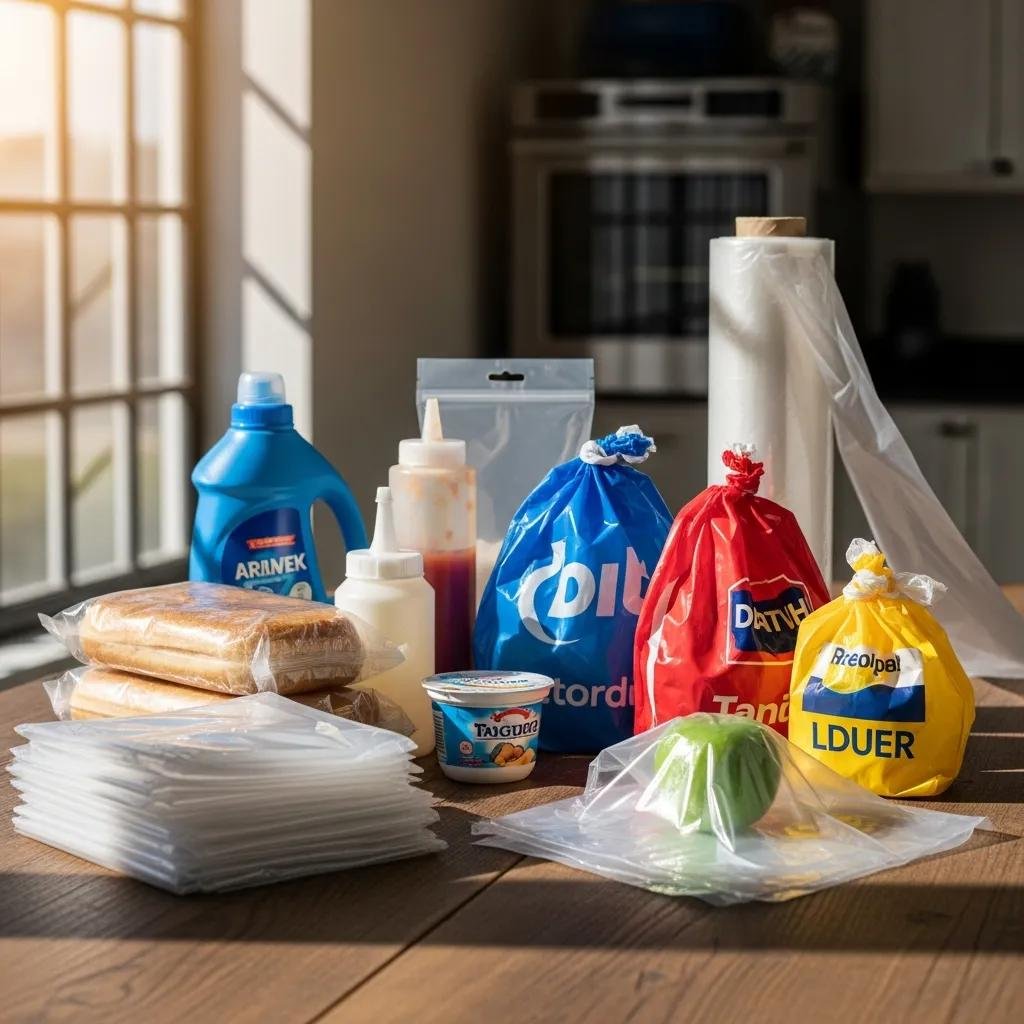
LDPE: Properties, Uses, and Recycling in the Plastic Industry
Low-Density Polyethylene (LDPE) is a widely used thermoplastic known for its versatility and unique properties. This article delves into the essential characteristics of LDPE, its applications across various industries, and the recycling processes that contribute to sustainability in the plastic sector. Readers will gain insights into how LDPE’s flexibility, chemical resistance, and manufacturing processes make it a preferred choice for many products. Additionally, we will explore the environmental benefits of recycling LDPE and its comparison with other polyethylene types. By understanding these aspects, you will appreciate the significance of LDPE in the modern plastic industry.
What are the key physical and chemical properties of LDPE?
LDPE is characterized by its low density, which contributes to its lightweight and flexible nature. This thermoplastic exhibits excellent chemical resistance, making it suitable for various applications. Its unique molecular structure allows for high levels of flexibility and toughness, which are essential for many products. Additionally, LDPE provides good electrical insulation properties, making it a reliable choice in electrical applications.
How does LDPE’s flexibility and toughness benefit its applications?
The flexibility and toughness of LDPE make it ideal for products that require durability and resilience. For instance, LDPE film is commonly used in packaging due to its ability to withstand stress without tearing. This property enhances the longevity of packaging materials, ensuring that products remain protected during transport and storage. Furthermore, the toughness of LDPE allows it to be used in applications such as bags and containers, where resistance to punctures and impacts is crucial.
What chemical and moisture resistance characteristics define LDPE?
LDPE’s chemical resistance is a significant advantage, as it can withstand exposure to various substances without degrading. This characteristic is particularly beneficial in environments where moisture and chemicals are present, such as in agricultural films and containers for household products. LDPE can resist many common chemicals, including dilute acids, bases, and alcohols, making it suitable for a wide range of applications, including food packaging and industrial uses.
Which industries and products commonly use LDPE?
LDPE is utilized across multiple industries due to its versatile properties. Its applications range from packaging materials to agricultural products, showcasing its adaptability in various sectors.
How is LDPE utilized in packaging and consumer goods?
In the packaging industry, LDPE is widely used for producing bags, films, and containers. Its lightweight nature and flexibility allow for the creation of strong, tear-resistant packaging solutions. Common products include grocery bags, shrink wraps, and food containers, all of which benefit from LDPE’s durability and moisture resistance. The use of LDPE in packaging not only enhances product protection but also contributes to cost-effectiveness in manufacturing.
What roles does LDPE play in agriculture, construction, and medical sectors?
LDPE plays a crucial role in agriculture through the production of films and pipes used for irrigation and crop protection. Agricultural films made from LDPE help in maintaining soil temperature and moisture levels, promoting healthier crop growth. In construction, LDPE is used for liners and insulation materials, providing moisture barriers and thermal protection. Additionally, in the medical sector, LDPE is utilized for manufacturing various medical devices and packaging, ensuring safety and sterility.
How is LDPE manufactured and what processes are involved?
The manufacturing of LDPE involves specific processes that contribute to its unique properties. Understanding these processes is essential for appreciating the quality and characteristics of LDPE products.
What is the high-pressure polymerization method for LDPE production?
LDPE is primarily produced through a high-pressure free radical polymerization process, which involves the polymerization of ethylene gas at elevated temperatures (typically 100–300°C) and very high pressures (1000–3000 bar). This method results in a branched molecular structure, giving LDPE its low density and flexibility. The high-pressure process also allows for the production of various grades of LDPE, catering to different application needs.
Further details on the specific conditions and flexibility of this production method are highlighted in the following research.
LDPE Production: High-Pressure Free-Radical Polymerization & Property Tuning
Ethene homo- and copolymerizations are important technical processes. At pressures up to about 3000 bar and temperatures up to 300 °C, approximately 16 million tons LDPE (lowdensitypolyethylene) have been produced worldwide in 1997. The continued interest in the LDPE process is primarily due to the enormous flexibility of this reaction which is carried out under supercritical (sc) conditions. A particular advantage of free-radical polymerization in sc fluid phase relates to the potential of widely tuning polymer properties just by continuously varying polymerization conditions.
Free-radical polymerization under high pressure, S Beuermann, 1999
How does extrusion and free radical initiation affect LDPE quality?
Extrusion is a critical process in the manufacturing of LDPE, where the polymer is melted and formed into specific shapes. The quality of LDPE is influenced by the extrusion process, as it affects the material’s physical properties. Free radical initiation during polymerization also plays a role in determining the molecular weight and branching of LDPE, impacting its overall performance in applications.
What are the steps and benefits of recycling LDPE?
Recycling LDPE is an essential process that contributes to environmental sustainability. Understanding the recycling steps and their benefits can help promote responsible plastic use.
How is LDPE collected, sorted, and processed for recycling?
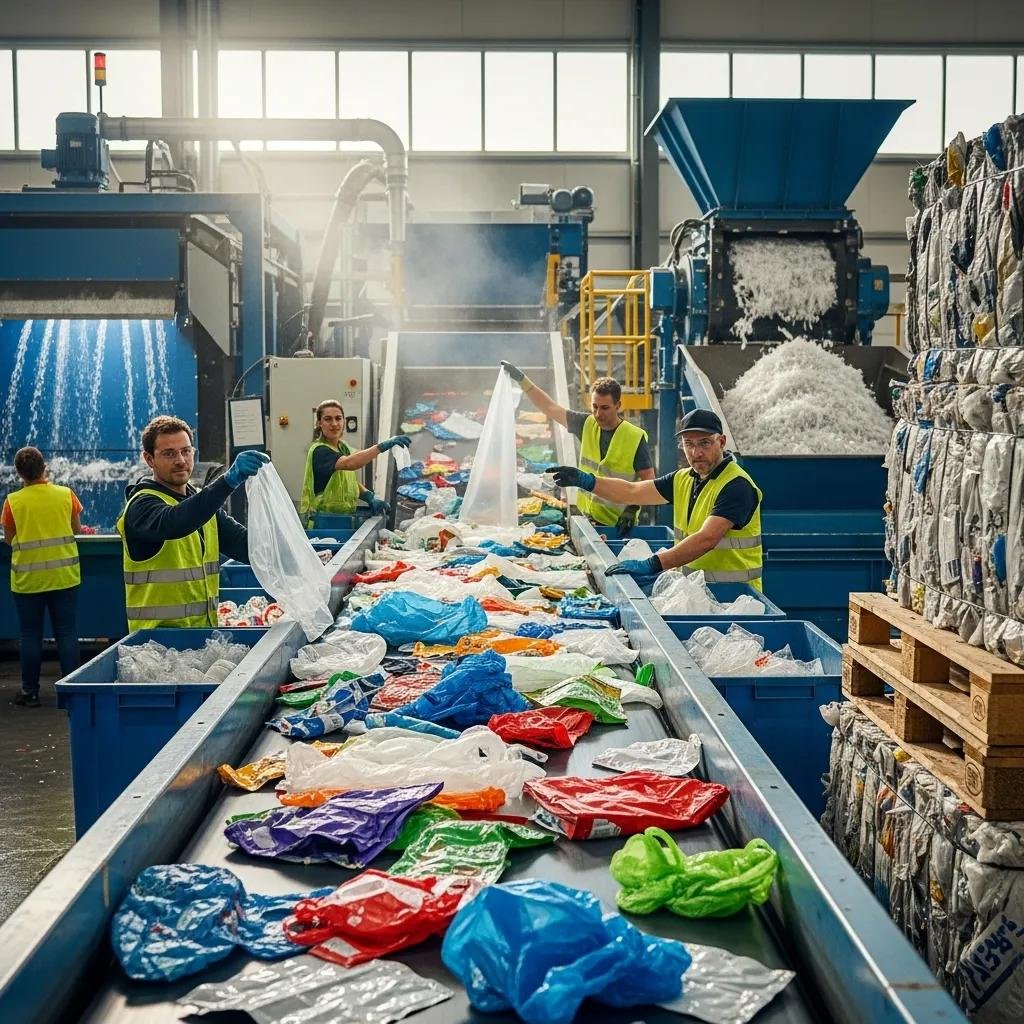
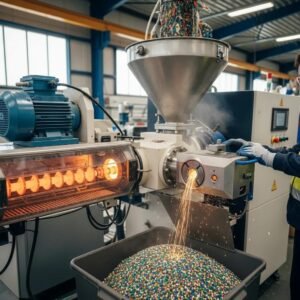
The recycling process for LDPE begins with collection, where used LDPE products are gathered from various sources, including households and businesses. Once collected, the materials are sorted to remove contaminants and non-recyclable items. The sorted LDPE is then cleaned and processed into pellets, which can be used to manufacture new products. This process not only reduces waste but also conserves resources by reusing existing materials.
The effectiveness of converting plastic waste into new materials through extrusion is further supported by studies on recycling processes.
LDPE Plastic Waste Recycling into Pellets via Extrusion
PET and LDPE are common type of plastic that is easily found in garbage pile. This research was conducted to study the potential of plastic waste conversion into solid fuel to reduce the accumulation of this waste in the environment. The conversion method is to use an extruder. PET and LDPE plastic waste were recycled into pellets using simple heated-extruder equipment after being shredded into small flakes.
Plastic Waste Recycle into Pellet: Economic Analysis and Processing Temperature Effects, RR Badu, 2022
What environmental and energy-saving advantages does LDPE recycling offer?
Recycling LDPE offers significant environmental benefits, including a reduction in landfill waste and lower energy consumption compared to producing new plastic from raw materials. The recycling process saves energy by using less heat and pressure than required for virgin production. Additionally, recycling LDPE helps decrease greenhouse gas emissions, contributing to a more sustainable plastic industry.
How does LDPE compare to HDPE and other polyethylene types?
Understanding the differences between LDPE and other polyethylene types, such as High-Density Polyethylene (HDPE), is crucial for selecting the right material for specific applications.
What are the main differences between LDPE and HDPE in properties and uses?
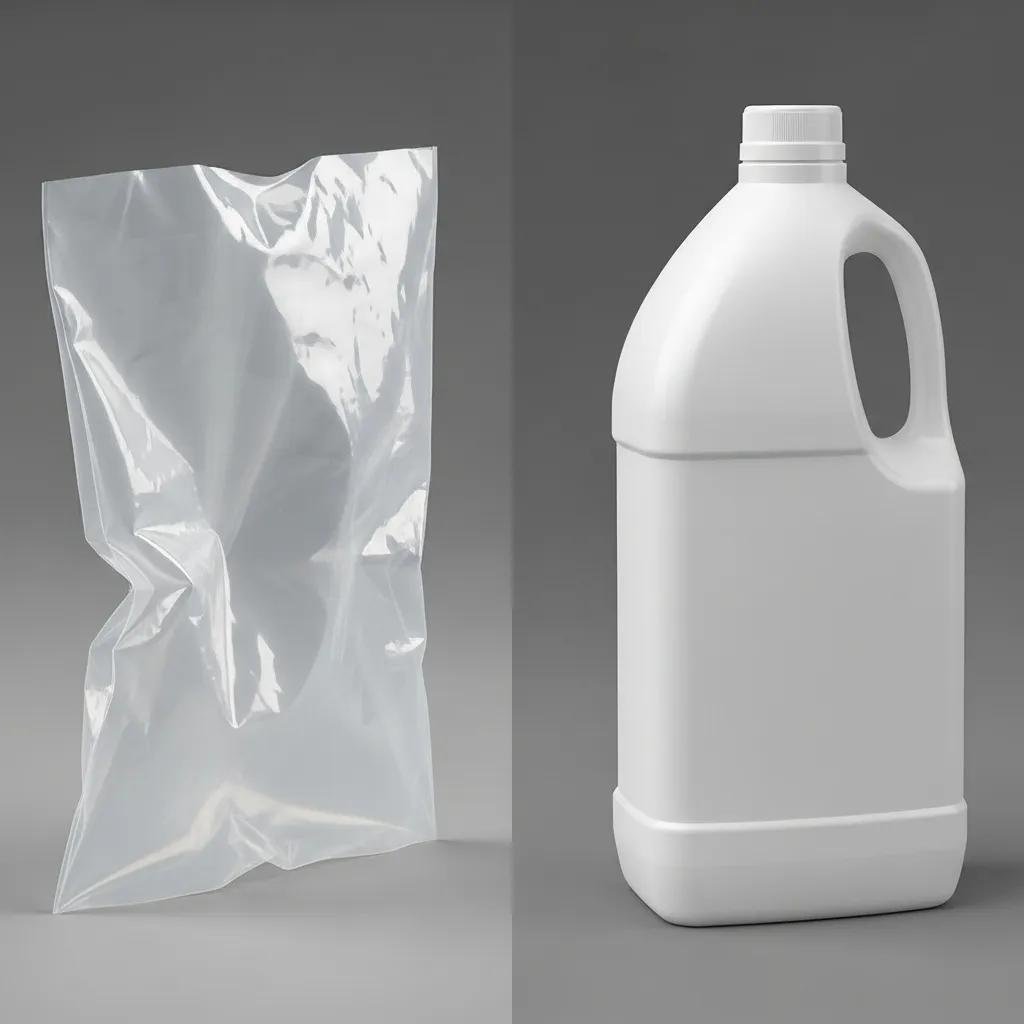
LDPE and HDPE differ primarily in their density and molecular structure. LDPE is more flexible and has a lower tensile strength compared to HDPE, which is stiffer and more rigid. These differences influence their applications; for example, LDPE is often used for flexible packaging, while HDPE is preferred for rigid containers and pipes. The choice between LDPE and HDPE depends on the specific requirements of the application, such as strength, flexibility, and chemical resistance.
Research further elaborates on the distinct physicomechanical properties that differentiate LDPE and HDPE, influencing their respective applications.
Comparing LDPE & HDPE Physicomechanical Properties
The paper presents the results of a study of the effect of aluminum content on the physicomechanical properties of composites based on high-density polyethylene and low-density polyethylene. The properties of metal-filled composites, such as ultimate tensile stress, elongation at break, elastic modulus, melt flow rate, and heat resistance, were studied. According to the data obtained, the loading of aluminum into the composition of low density polyethylene contributes to a monotonic increase in the ultimate tensile stress and the elastic modulus. When aluminum is loaded into the composition of high density polyethylene, on the contrary, a natural decrease in the ultimate tensile stress and elongation at break of the composites is observed.
Physicomechanical properties of composites based on various types of polyethylene and aluminum, KV Allahverdiyeva, 2021
How do LLDPE, MDPE, and UHMWPE differ from LDPE?
Linear Low-Density Polyethylene (LLDPE), Medium-Density Polyethylene (MDPE), and Ultra-High Molecular Weight Polyethylene (UHMWPE) are other types of polyethylene that exhibit distinct properties compared to LDPE. LLDPE offers improved tensile strength and puncture resistance, making it suitable for applications requiring durability. MDPE provides a balance between flexibility and strength, while UHMWPE is known for its exceptional impact resistance and low friction properties. Each type of polyethylene serves specific applications based on its unique characteristics.
What are the emerging trends and sustainable alternatives for LDPE?
As the plastic industry evolves, new trends and alternatives to LDPE are emerging, focusing on sustainability and environmental impact.
How are bio-based LDPE and biodegradable alternatives developed?
Research is underway to develop bio-based polyethylene, which is derived from renewable resources rather than fossil fuels. While bio-based polyethylene has the same chemical structure as conventional polyethylene (including LDPE), it is produced from bioethanol or other biomass sources. This approach aims to reduce the carbon footprint associated with traditional plastic production. Additionally, biodegradable alternatives to LDPE are being explored, such as oxo-biodegradable additives and compostable bioplastics, which can decompose under specific conditions, minimizing plastic pollution. These innovations represent a significant step towards a more sustainable plastic industry.
What regulatory and market trends impact LDPE’s future in the plastic industry?
Regulatory trends are increasingly focusing on reducing plastic waste and promoting recycling initiatives. Governments and organizations are implementing policies to encourage the use of sustainable materials and improve recycling rates. Market trends indicate a growing demand for eco-friendly packaging solutions, driving innovation in LDPE alternatives. As consumer awareness of environmental issues rises, the plastic industry must adapt to meet these changing demands and regulations.
Extrusor de Film: Mejora del Enfriamiento en la Ciudad de El Alto Bolivia
**Extrusor de Film:
Soluciones Innovadoras para la Producción de Bolsas de Plástico
¡Hola! Soy un profes